
States With No Property Tax: What Homeowners Should Actually Check
Many people search for a state where property tax simply disappears. The honest answer is more useful than that: for regular homeowners, the bigger question is not “which state has zero property tax?” but “where will my actual yearly housing tax bill be lower after local rates, home value, exemptions, insurance, HOA fees, and total cost of living are included?” This guide explains the difference between a true no-tax claim and a no-state-property-tax claim, then gives you a practical way to compare real homes before you move.
Quick Answer: Are There Any States With No Property Tax?
For ordinary homeowners, there is no simple U.S. state where you can buy a home and automatically owe zero real estate property tax everywhere in the state. Some states may not collect a state-level property tax, but counties, cities, towns, school districts, boroughs, parishes, villages, or special districts may still collect local property taxes. The better goal is to compare low effective property tax areas, actual local bills, exemptions, senior relief, veteran relief, assessment caps, tax credits, and deferral programs.
No Property Tax vs No State Property Tax: The Difference That Matters
The phrase “no property tax” is often used too loosely. A state may not collect a statewide real estate tax directly, but that does not automatically remove local property taxes. Local governments often rely on property tax revenue to fund schools, roads, fire protection, police, libraries, parks, and county services.
| Phrase You See Online | What It Usually Means | What a Homeowner Should Do |
|---|---|---|
| No property tax state | Often misleading. It may ignore county, city, school, or special district taxes. | Check the real county or local tax bill before trusting the claim. |
| No state property tax | The state government may not collect property tax directly. | Still check local taxing units, school districts, county tax offices, and special districts. |
| Low property tax state | Averages may be lower, but local bills can vary widely. | Compare actual homes in your price range, not just statewide averages. |
| Tax-friendly state | May refer to income tax, sales tax, retirement income, estate tax, or property tax combined. | Compare total tax and housing cost, not one tax type. |
- Do not trust a headline that says a state has no property tax.
- Ask whether it means no state-level tax or no local property tax.
- Search for the county assessor, treasurer, tax collector, or property appraiser.
- Open a real property record or recent tax bill for a similar home.
- Check exemptions, credits, caps, and deferrals before comparing final cost.
Official Example: Texas Has No State Property Tax, But Local Taxes Still Exist
Texas is a strong example because the wording is very clear. The Texas Comptroller explains that Texas has no state property tax, and the Comptroller does not collect property tax or set rates. Local taxing units handle property taxes. So Texas may be described as having no state property tax, but homeowners still need to check county, city, school district, and special district taxes before estimating the real bill.
- Open the Texas Comptroller property tax assistance page.
- Read the explanation that Texas has no state property tax.
- Notice that local taxing units set rates and collect taxes.
- Use this same test when checking any state that appears in a “no tax” search.
- Then search the exact county or city tax office for a real home bill.
Takeaway: “No state property tax” is not the same as “no property tax bill.” For a homeowner, the county, school district, city, and special districts can matter more than the state-level label.
How to Check Your Real Property Tax Before Moving
If you are comparing states, do not begin with a ranking article. Start with the kind of home you would actually buy. A low tax rate on an expensive home can still create a large annual bill. A higher-rate state may feel cheaper if home prices are lower or exemptions are stronger.
- Open USA.gov local government search.
- Find the city, county, town, parish, borough, or local government site.
- Look for assessor, treasurer, tax collector, property appraiser, or real property tax pages.
- Use the local site to search a sample property or recent tax bill.
- Save the tax estimate with your moving or homebuying notes.
Better Alternatives to Searching for “No Property Tax States”
The smarter search is not “where can I pay zero?” It is “where can I reduce the annual bill without creating higher costs somewhere else?” A state may look attractive for one tax type but cost more through home prices, insurance, sales tax, HOA fees, utilities, or local levies.
| Better Strategy | Why It Can Help | What to Check | Official Example |
|---|---|---|---|
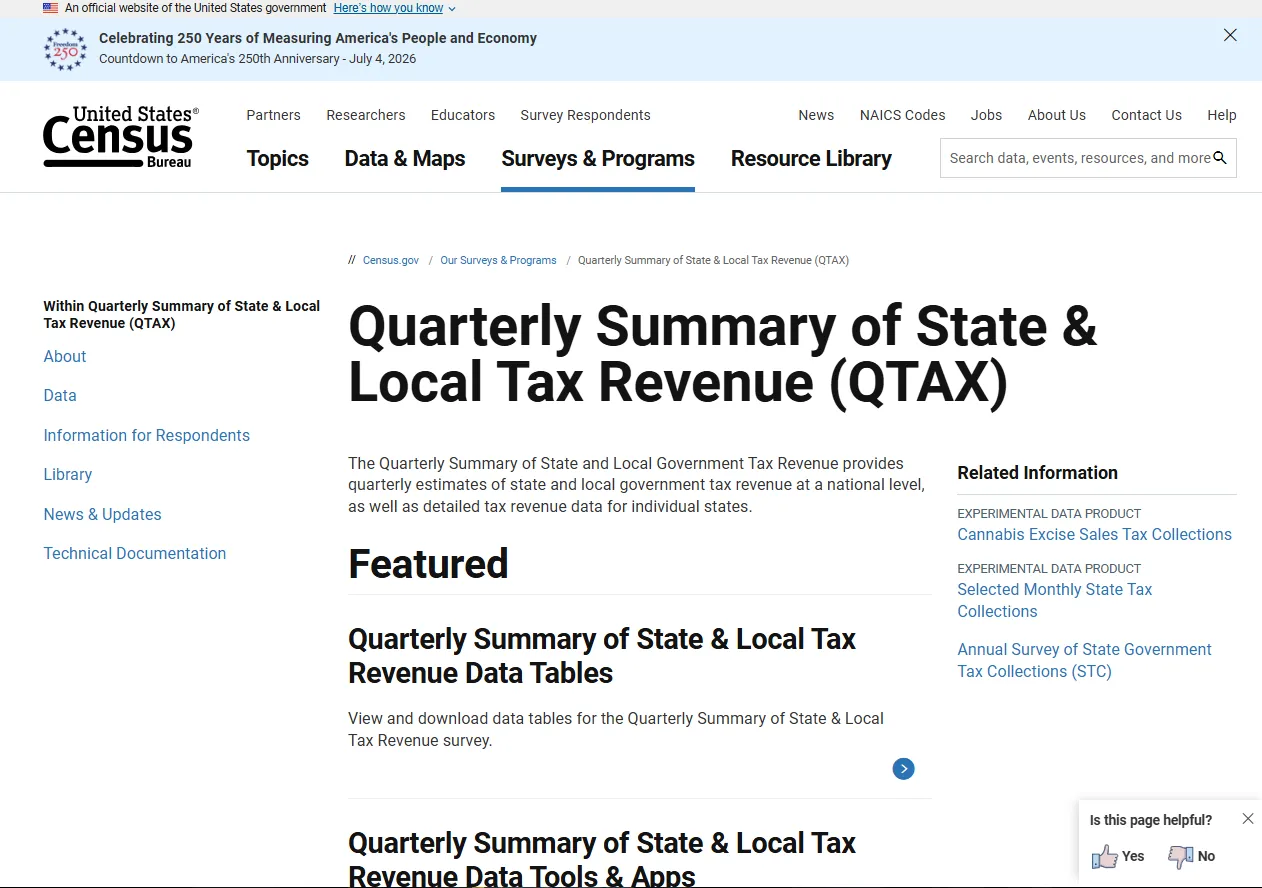
| Low effective property tax areas | A lower local tax burden may reduce the annual bill. | County/city rate, assessed value, home price, and school district taxes. | U.S. Census QTAX |
| Strong homestead exemptions | Primary-residence relief may reduce taxable value. | Eligibility, filing deadline, renewal, and whether school taxes are included. | Florida Exemptions |
| Senior credits or freezes | Older homeowners may reduce or stabilize part of the bill. | Age, income, residency, primary residence, and annual filing rules. | Delaware Senior Credit |
| Deferral programs | May help with cash flow when annual bills are difficult. | Lien, loan, interest, repayment event, income limits, and eligibility. | Colorado Deferral |
| County-level home exemptions | Some relief is local, not just state-level. | Local filing deadline, owner-occupancy, and renewal rules. | Honolulu Home Exemption |
No Income Tax Does Not Mean No Property Tax
A common moving mistake is mixing up income tax and property tax. Some states have no individual income tax, but homeowners may still pay local real estate taxes. A state can be attractive for wages, retirement income, pensions, or investments while still having higher property taxes, insurance costs, or local fees.
Affects wages, retirement income, pensions, investments, and business income depending on the state.
Usually tied to a home, assessed value, county/city rules, school districts, and special levies.
A low-property-tax area may still have higher state or local sales taxes.
In coastal, storm-prone, wildfire, or high-HOA areas, insurance and fees can offset tax savings.
Before moving for taxes: compare property tax, income tax, sales tax, retirement income rules, homeowners insurance, HOA fees, utilities, flood/fire risk, and local service costs.
Best Property Tax Relief Ideas for Seniors and Retirees
For seniors, the best state is not always the state with the lowest average tax rate. The better fit may be the state, county, or city that offers a credit, exemption, freeze, cap, or deferral that matches age, income, disability, veteran status, homeownership, and primary-residence rules.
- Search the state and county property tax relief pages.
- Look for senior exemption, senior credit, assessment freeze, tax cap, or deferral programs.
- Confirm whether the home must be the primary residence.
- Check age, income, residency, disability, veteran, and annual filing rules.
- File before the deadline and save proof of submission.
| Relief Type | How It Helps | What to Confirm |
|---|---|---|
| Senior school tax credit | May reduce part of a school-related property tax burden. | Age, residency, primary residence, cap, and filing rules. |
| Senior freeze or assessment freeze | May limit taxable assessment growth for qualifying owners. | Income limits, age rules, annual filing, and whether taxes can still rise from rates. |
| Property tax deferral | May postpone payment when cash flow is tight. | Lien, interest, repayment triggers, heirs, and eligibility. |
| Local homestead exemption | May reduce taxable value for an owner-occupied home. | Local filing deadline, renewal, and primary-residence rules. |
Relief Options That May Matter More Than Moving
If your current property tax feels high, moving is not the only option. Many homeowners should first check whether they already qualify for local relief. A missed exemption or credit can cost more than people realize.
Commonly helps owner-occupied primary residences by reducing taxable value or creating a credit.
May include credits, freezes, deferrals, or additional exemptions for older homeowners.
Some states or local governments provide relief for qualifying disabled homeowners.
Veterans or surviving spouses may qualify for special reductions in some places.
Usually postpones payment rather than eliminating tax, so repayment rules matter.
May limit how fast taxable value grows for qualifying owner-occupied homes.
- Find the county assessor, property appraiser, treasurer, or tax collector website.
- Search for “homestead,” “senior,” “disabled,” “veteran,” “deferral,” “tax credit,” and “assessment cap.”
- Read eligibility rules carefully.
- Check deadlines and whether renewal is required.
- Apply only through the official portal or local office.
Homebuyer Checklist: Compare Property Taxes Before You Make an Offer
Property tax should be checked before you buy, not after closing. If you are comparing states or counties, use this checklist to estimate the real annual cost and avoid surprises from reassessment or missing exemptions.
| Homebuyer Step | Why It Matters | What to Save |
|---|---|---|
| Ask for last year’s tax bill | It gives a starting point, but the bill may change after sale. | Seller bill, tax year, parcel number, and exemptions shown. |
| Check local assessed value | Market price and assessed value are not always the same. | Assessment record and assessor/property appraiser page. |
| Look for sale-triggered reassessment | Some places reassess after purchase, which can raise the next bill. | Local reassessment rules and buyer estimate. |
| Check exemptions you will qualify for | The seller’s exemptions may not transfer to you. | Official exemption application and deadline. |
| Add insurance and local fees | A low tax rate can be offset by high insurance, HOA, or special assessments. | Insurance quote, HOA dues, special district charges, and utility estimate. |
Buyer warning: Never assume the seller’s current tax bill will be your future tax bill. Purchase price, reassessment, exemptions, assessment caps, and local rules can change the number.
How to Compare Low-Property-Tax States Without Getting Misled
Low-property-tax rankings can be useful as a starting point, but they are not enough for a move or purchase decision. A statewide average can hide expensive counties, high-value neighborhoods, school district levies, local assessments, and homeowners insurance pressure.
- Choose three specific homes or neighborhoods in each state.
- Find the official local tax bill for each property or a similar property.
- Check whether owner-occupied exemptions apply to you.
- Estimate insurance, HOA, utilities, sales tax, and local fees.
- Compare the annual dollar cost, not only the tax rate percentage.
Smart comparison: “Lowest property tax state” should never be the final answer. The final answer is the real tax bill for the kind of home you will own in the exact county, city, and district where you will live.
Common Mistakes When Searching for States With No Property Tax
Most bad decisions come from comparing the wrong thing. These mistakes are common in relocation searches, retirement planning, and homebuyer research.
| Mistake | Why It Hurts | Better Action |
|---|---|---|
| Believing a “no property tax” headline | It may confuse state-level tax with local property tax. | Check county, city, and school district taxes. |
| Using only average state rates | Averages hide expensive counties and high home values. | Compare actual bills for similar homes. |
| Ignoring exemptions | You may miss savings or compare a seller’s bill incorrectly. | Check homestead, senior, veteran, disability, and deferral programs. |
| Comparing tax rate only | A low rate on a high-value home can still be expensive. | Compare annual dollar cost, not only percentage rate. |
| Forgetting total cost of living | Insurance, HOA, sales tax, income tax, and local fees can offset tax savings. | Calculate full monthly and yearly housing cost. |
| Assuming relief renews automatically | Some programs require annual filing or updated income proof. | Read renewal rules and keep proof of filing. |
Helpful Related Property Tax Guides
Use these internal guides when you need broader help understanding property taxes, bills, rates, exemptions, and local county workflows before using an official government site.
Official Sources to Use Before You Decide
Use official sources when you need to verify local tax offices, state/local tax data, relief programs, exemptions, deferrals, and real property tax rules. Do not rely on a generic “best state” list for final moving or buying decisions.
Editorial Trust and Update Notes
CountyPropertyTaxes.us is an independent informational guide. This article does not claim that any state is completely property-tax-free for all homeowners. It explains the difference between state-level and local property tax, then points readers to official sources for verification before moving, buying, filing for relief, or comparing tax costs.
Update checklist: review official state/local tax links, Census QTAX resources, state exemption pages, senior relief programs, deferral rules, homebuyer relief pages, local-government finder links, and internal property-tax guides whenever tax rules or relief programs change.
States With No Property Tax FAQs
Are there any states with no property tax?
For ordinary homeowners, there is no simple statewide “pay zero property tax everywhere” option. Property tax is usually local, so even when a state does not collect a state-level property tax, counties, cities, school districts, or other local units may still tax real estate.
What does “no state property tax” mean?
It usually means the state government does not directly collect a property tax. It does not mean homeowners owe nothing locally. Local governments may still set rates and collect property taxes.
Why do people say Texas has no property tax?
Texas has no state property tax, but local taxing units set rates and collect property taxes. That makes Texas a clear example of why “no state property tax” is not the same as “no property tax.”
What is the best alternative to a no-property-tax state?
The best alternative is usually a low-tax local area with strong homestead exemption, senior relief, veteran relief, tax credits, assessment caps, or deferral options.
Which states have the lowest property taxes?
Low-property-tax rankings vary by source and year. Instead of relying only on a ranking, compare actual local tax bills for the type of home you would buy.
Does no income tax mean no property tax?
No. Income tax and property tax are separate. A state can have no income tax and still have local property taxes.
What should seniors check before moving for lower property taxes?
Seniors should check credits, exemptions, assessment freezes, deferrals, residency rules, income limits, filing deadlines, and whether the relief applies to a primary residence.
Is a property tax deferral the same as an exemption?
No. A deferral usually postpones payment and may act like a loan or lien with repayment rules. An exemption or credit may reduce the tax owed.
Can a low tax rate still create a high bill?
Yes. A low rate on a high-value home can still produce a large annual bill. Always compare the dollar amount, not just the rate.
Should I use statewide averages to choose where to move?
Use averages only as a starting point. Local county, city, school district, home value, exemptions, and assessment rules decide the actual bill.
Where can I verify local property tax before moving?
Use the county assessor, county treasurer, property appraiser, tax collector, or local government website for the city or county where the property is located.
Can exemptions make a high-tax state cheaper for me?
Yes. A strong homestead exemption, senior credit, veteran relief, or assessment cap can sometimes matter more than a statewide average rate.
Can a seller’s tax bill show what I will pay after buying?
It can help as a starting point, but it may not match your future bill. Purchase price, reassessment, missing buyer exemptions, and local rules can change the amount.
What should I compare before relocating for lower property tax?
Compare actual property tax bills, home prices, exemptions, insurance, HOA fees, utilities, sales tax, income tax, local fees, and service costs.
Is CountyPropertyTaxes.us an official government site?
No. CountyPropertyTaxes.us is an independent informational guide. Final tax, payment, exemption, and relief decisions should be verified through official state and local government websites.
Bottom Line
There is no simple magic state where ordinary homeowners can ignore property tax completely. The smarter move is to compare real local bills, exemptions, senior relief, deferrals, tax caps, insurance, home prices, and total cost of living before buying or relocating.
Quick AnswerCheck Real Property TaxCompare AlternativesSenior ReliefOfficial Sources